Wearable Sensors Deliver Critical Data on Athlete Workloads in Top-Tier Events
Written by Sage Vogel · Oct 29, 2026
Wearable Sensors Deliver Critical Data on Athlete Workloads in Top-Tier Events
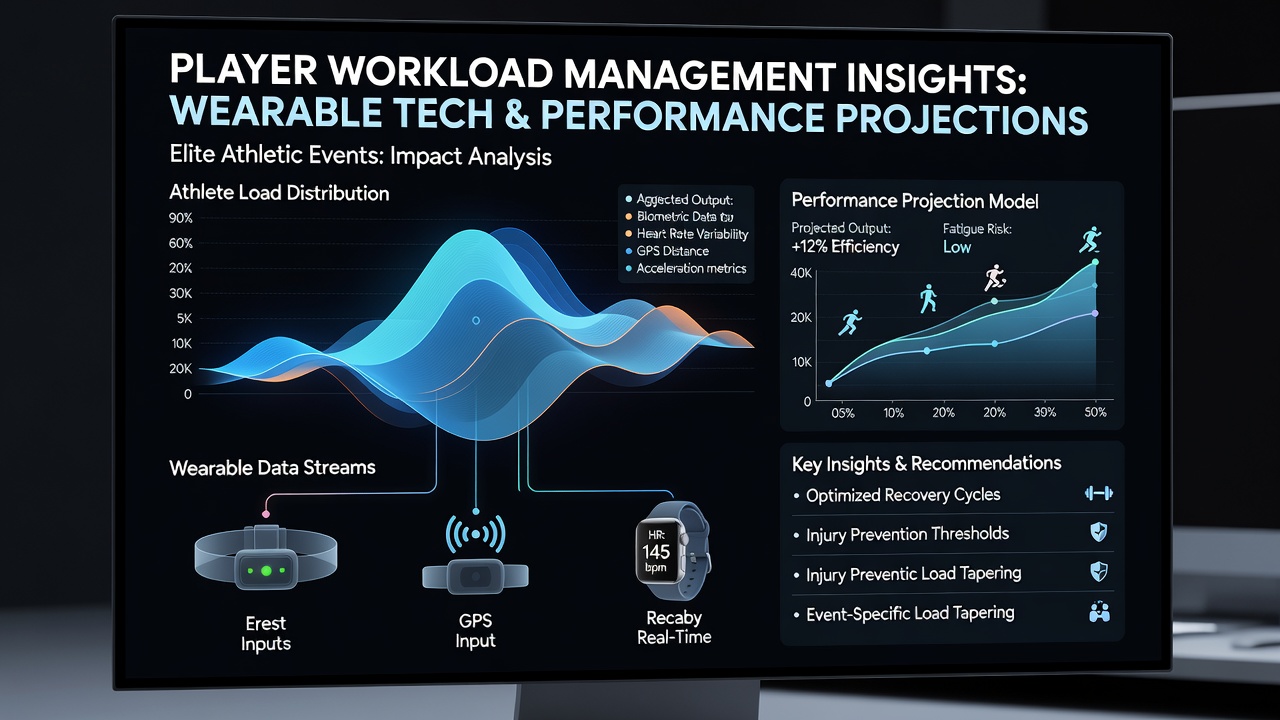
Elite sports organizations have integrated wearable technology into daily operations since the early 2010s, and by October 2026 these devices continue to supply granular data that shapes workload decisions across football, basketball, rugby, and track and field. Accelerometers, GPS units, heart-rate monitors, and inertial measurement devices record metrics such as total distance covered, high-speed running volume, acceleration counts, heart-rate variability, and sleep duration, allowing medical and performance staff to quantify the physical demands placed on each athlete.
Core Metrics Captured by Modern Wearables
Systems from multiple manufacturers track external load through satellite positioning and internal load through physiological signals, while algorithms combine the two streams to produce composite scores that indicate cumulative stress. Researchers have documented how repeated high-intensity efforts above 85 percent of maximum velocity correlate with elevated soft-tissue injury risk when recovery windows fall below 48 hours, and teams now adjust training prescriptions accordingly. Data from longitudinal studies show that athletes who exceed individualized acute-to-chronic workload ratios of 1.5 face measurably higher injury incidence in the subsequent seven to ten days.
Application in Seasonal Planning and In-Competition Adjustments
Performance analysts feed wearable outputs into projection models that estimate an athlete’s readiness for upcoming fixtures, and these models incorporate variables such as fixture congestion, travel distance, and environmental conditions. In European football leagues, for example, clubs rotate players when weekly load thresholds are approached, while NBA franchises monitor back-to-back game loads to decide minutes restrictions. The same datasets feed regression analyses that project expected output metrics, including points scored, tackles completed, or sprint frequency, under different load-management scenarios.
Case Evidence from Recent Competitions
During the 2026 international rugby season, national squads used real-time GPS feeds to cap high-speed running exposure in midweek sessions, preserving peak output for test matches, and post-tournament reviews indicated that teams adhering to these caps maintained higher average speed in the final 20 minutes of play. In track and field, Olympic preparation programs in multiple countries have applied similar thresholds during altitude camps, where reduced oxygen availability amplifies internal load despite unchanged external distances. One multi-year dataset compiled by university researchers linked controlled workload tapering periods of 10 to 14 days with improved personal-best rates at major championships.
Influence on Performance Projection Models
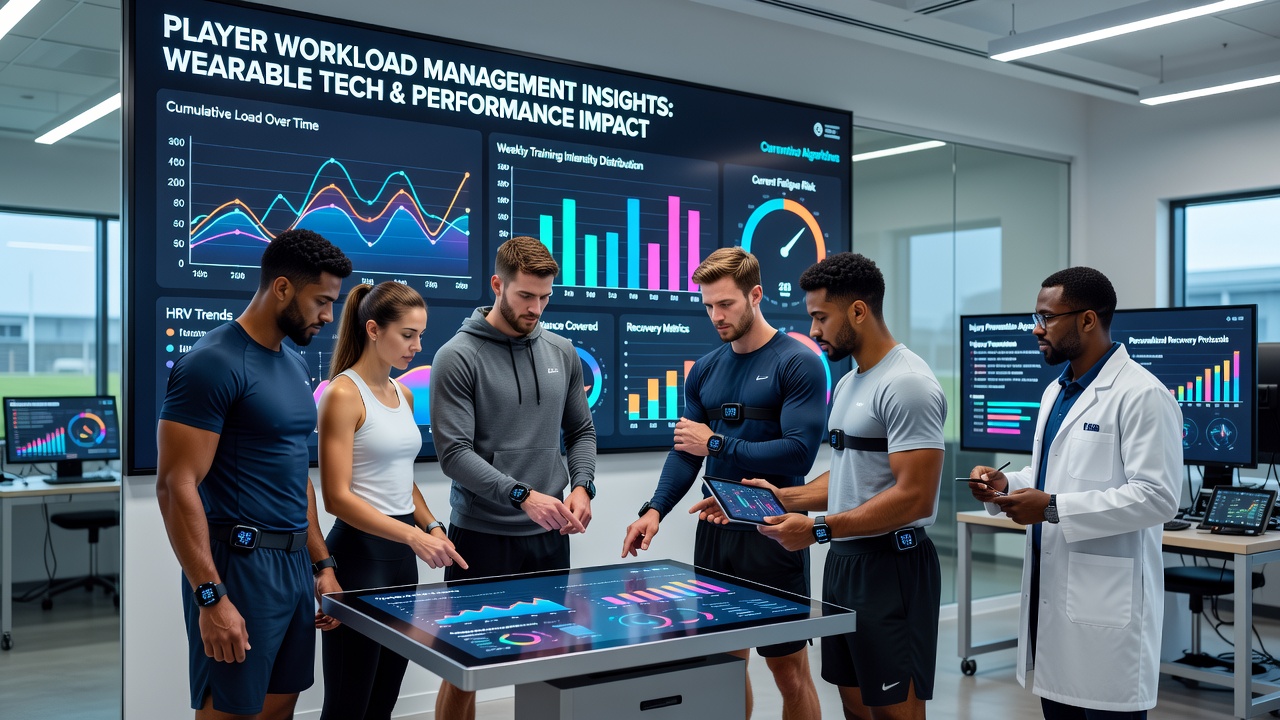
Statistical frameworks now ingest daily wearable summaries to update probability estimates for individual and team outcomes, replacing static historical averages with dynamic inputs that reflect current physiological status. When models detect elevated fatigue markers, projected points-per-game figures decline by quantified margins, and betting markets and coaching staffs both reference these adjusted projections. Studies published through academic channels demonstrate that incorporating heart-rate recovery and sleep-efficiency scores improves forecast accuracy by 8 to 12 percent compared with models that rely solely on prior season statistics.
Medical staff cross-reference workload alerts with subjective wellness questionnaires, creating layered decision trees that determine whether an athlete trains at full intensity, undergoes modified sessions, or rests entirely. These protocols have become standard across North American professional leagues and many European clubs, where collective bargaining agreements now include provisions for data transparency between players and teams.
Geographic and Regulatory Variations in Adoption
Implementation speed varies by region and governing body, with Australian and North American organizations often cited in comparative reports for earlier and more extensive deployment. European data-protection rules require explicit athlete consent and anonymized storage protocols, which has slowed some cross-border data-sharing initiatives yet has also prompted development of standardized export formats. Canadian university research groups have published open-access guidelines that outline minimum data-validation steps before load metrics enter projection algorithms, and several national Olympic committees reference these documents when designing monitoring programs ahead of multi-sport events.
Conclusion
Wearable-derived workload insights have shifted elite sport from reactive injury treatment toward proactive load modulation, and the resulting datasets now underpin performance projections used by coaches, medical teams, and analysts worldwide. As device accuracy improves and integration with artificial-intelligence models deepens, organizations that maintain rigorous validation and privacy standards are positioned to refine these projections further in upcoming seasons.