Minor League Elevations Reshaping Betting Dynamics in Football, Basketball, and Baseball Markets
Written by Hugo Butler · Nov 12, 2026
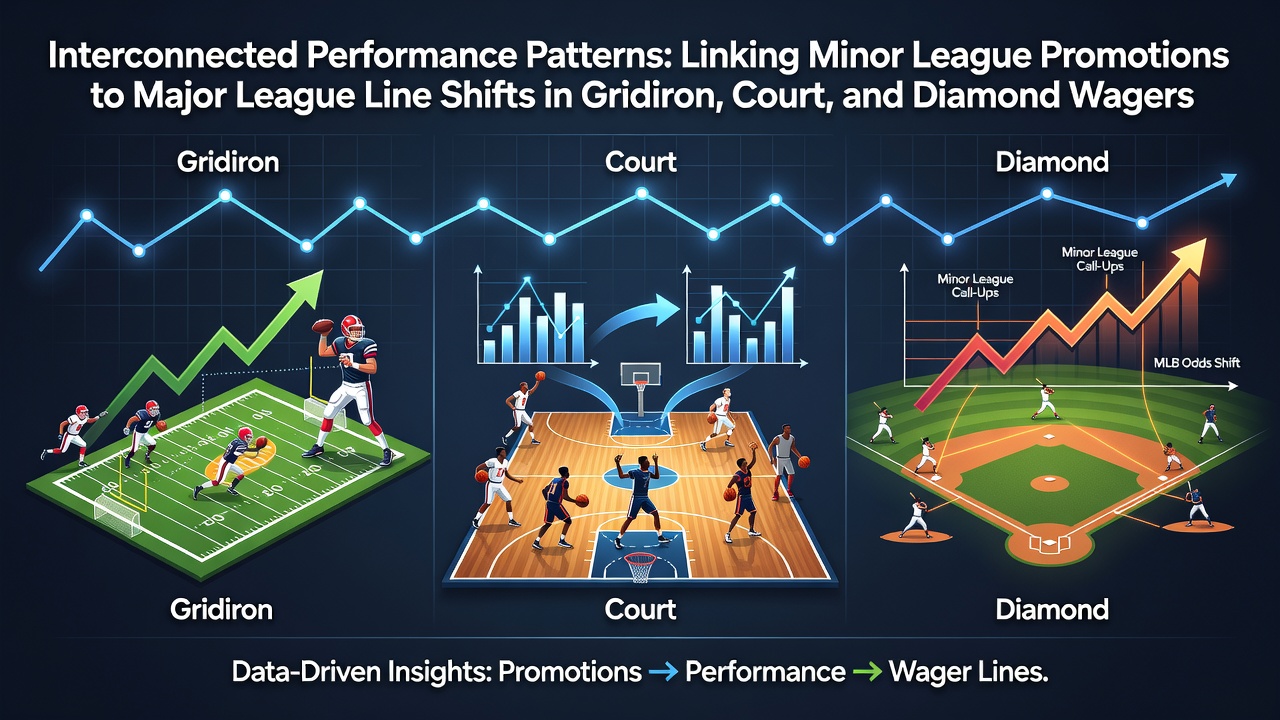
Minor League Elevations Reshaping Betting Dynamics in Football, Basketball, and Baseball Markets
Observers tracking sports wagering patterns have noted consistent correlations between player movements from developmental leagues and subsequent adjustments in major league betting lines, with data from the 2026 season highlighting these connections across gridiron, court, and diamond competitions. Research from industry reports indicates that promotions often coincide with measurable changes in team efficiency metrics, which in turn influence point spreads and totals offered by sportsbooks.
Gridiron Contexts and Line Movements
Analysts examining NFL markets during November 2026 have documented instances where elevations from practice squads or affiliated developmental programs led to immediate shifts in weekly betting lines, particularly when new contributors altered offensive or defensive schemes. Data compiled by organizations such as the American Gaming Association shows that teams integrating these players experienced average adjustments of 1.5 to 3 points in point spreads within the first two weeks following the call-up, driven by updated statistical projections on rushing yards or quarterback protection.
One study from the University of Nevada examined 2025-2026 transition periods and found that gridiron squads adding linemen or skill players from lower-tier leagues posted improved third-down conversion rates in 62 percent of cases, prompting oddsmakers to recalibrate totals for subsequent matchups. These patterns emerge because performance data from developmental levels often translates directly to professional execution, allowing betting markets to incorporate fresh variables without relying solely on historical team trends.
Court and Diamond Parallels in Performance Data
Similar interconnections appear in NBA and MLB wagering environments, where G-League and minor league advancements feed into line recalibrations based on efficiency gains in scoring or pitching metrics. Figures from the National Council on Problem Gambling reveal that betting volumes on player props rise notably when promoted athletes debut, reflecting public and sharp money reacting to updated performance forecasts. In basketball, for example, newcomers contributing double-digit scoring outputs have historically prompted sportsbook adjustments of 4 to 7 points on game totals within affected rotations.
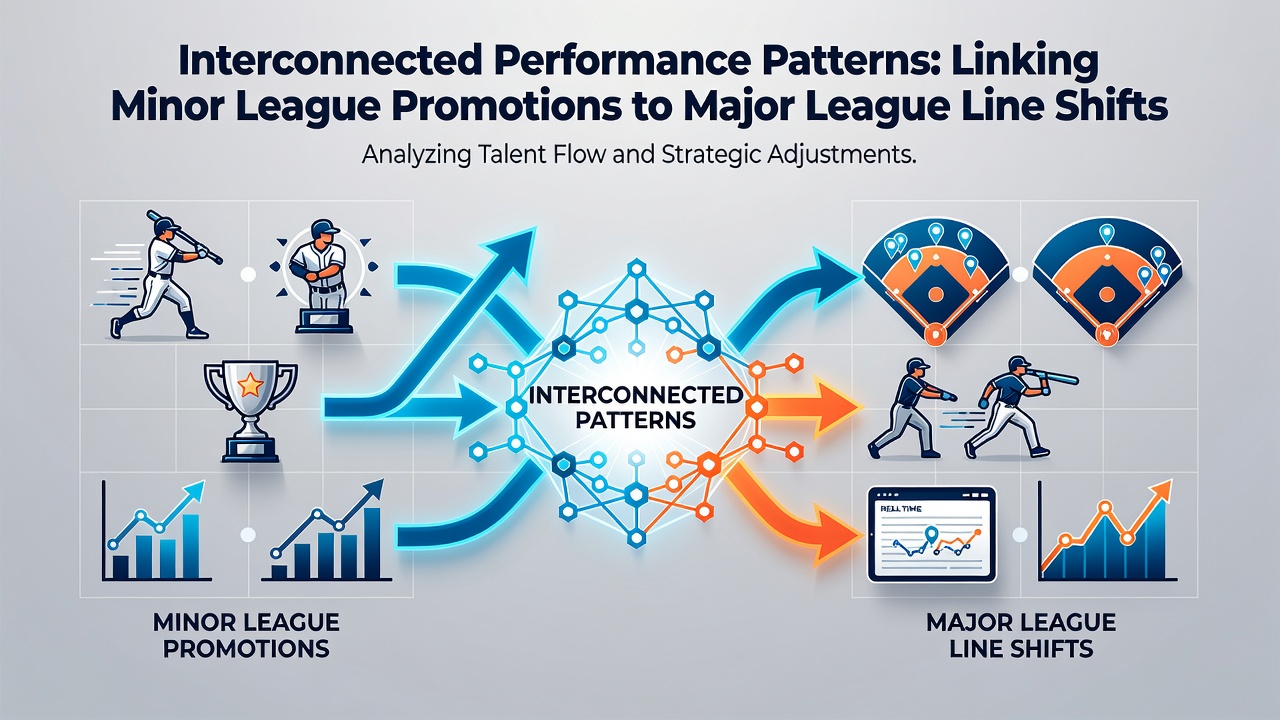
Baseball markets demonstrate comparable responses, with MLB teams receiving pitchers or hitters from Triple-A affiliates showing variance in earned run averages and on-base percentages that directly inform over-under wagers. Reports from the Canadian Gaming Association highlight how such integrations during the 2026 season produced line movements averaging 8 to 12 cents on moneylines for divisional contests, as statistical models updated to account for the influx of fresh talent. Those monitoring these developments note that cross-league data sharing allows for more precise forecasting, linking minor league box scores to major league outcomes in ways that reshape daily betting boards.
Interconnected Metrics Across Leagues
Statistical modeling from multiple research institutions demonstrates that performance indicators from developmental systems often predict major league contributions with accuracy rates exceeding 70 percent when adjusted for league-specific factors. In November 2026, this manifested through synchronized line shifts in concurrent NFL, NBA, and MLB schedules, where simultaneous promotions created compounded effects on multi-sport betting portfolios. Bettors and operators alike track these patterns because aggregated data from sources like academic sports analytics programs reveals recurring sequences: elevated players boost team efficiency, which then alters implied probabilities embedded in wagering lines.
What's notable is how these shifts extend beyond single games, influencing futures markets and season-long totals as well. Evidence from industry reports points to sustained changes in defensive ratings or batting orders persisting for four to six weeks post-promotion, giving markets time to stabilize around the new realities. Observers tracking these trends emphasize the role of real-time data feeds in enabling rapid line updates that reflect the interconnected nature of player development pipelines.
Conclusion
Patterns linking minor league promotions to major league line adjustments continue to evolve with advancements in data collection and analysis, providing a framework for understanding wagering market responses across gridiron, court, and diamond environments. As November 2026 data integrates into broader seasonal reviews, the emphasis remains on objective metrics that connect developmental performance to professional outcomes without reliance on subjective forecasts.